Letsvpn Platinum vs Standard vs Premium: Which Plan Is Right For You?
Letsvpn platinum vs standard vs premium which plan is right for you — a quick guide to help you choose the best VPN plan for your needs. If you’re browsing for a VPN, you’ve probably seen the three main Letsvpn tiers: Platinum, Standard, and Premium. Here’s a concise map to help you pick the one that fits your use case, budget, and performance needs. Below you’ll find a mix of practical highlights, quick comparisons, and real-world tips to ensure you get value from your VPN subscription.


- Quick fact: Choosing the right plan can save you money and significantly improve your online privacy and performance.
- In this guide, we’ll cover: what each Letsvpn plan includes, typical use cases, performance and pricing, and common questions.
- Quick-start guide (summary):
- If you want the best all-round features and top speed, consider Letsvpn Platinum.
- If you want solid core protection at a reasonable price, go for Letsvpn Standard.
- If you already have a lightweight setup and want essential protection with simple pricing, Premium might be a fit.
- Practical tips: check simultaneous connections, server access, and device compatibility before you buy.
- Useful resources and references (text only, not clickable):
- Letsvpn official site - letsvpn.com
- VPN comparison guides - vpnmentor.com
- Privacy and data retention guidance - privacyinternational.org
- General online safety tips - consumer.ftc.gov
- Network performance basics - speedtest.net
- Cybersecurity news and updates - krebsonsecurity.org
- Streaming legality and VPNs - bbc.co.uk
- Firewall and router settings - howtogeek.com
- Secure password practices - nist.gov
What Letsvpn Platinum includes
- Top-tier security and features
- Military-grade encryption (AES-256) with advanced protocols (WireGuard, OpenVPN, IKEv2)
- Premium obfuscated servers for restricted networks
- Multi-hop routing options for extra privacy
- Maximise performance
- Highest number of simultaneous connections allowed
- Access to the fastest, highest-capacity servers
- Lowest latency on supported routes
- Extra benefits
- Priority customer support with shorter wait times
- Dedicated account manager for enterprise or power users
- Access to beta features and advanced diagnostics
- Ideal for
- Power users who run multiple devices, require elite security, and need reliable access in restrictive networks
- Small teams or families with heavy VPN usage
What Letsvpn Standard includes
- Strong core protections
- AES-256 encryption with common, well-supported protocols
- Wide server network across regions
- Solid performance
- Good speeds suitable for streaming, gaming, and browsing
- A healthy number of simultaneous connections
- Value-driven features
- Ad/w malware blocking on supported apps
- Split tunneling available in many regions
- Ideal for
- Most individual users who want a balance of price and protection
- Families or roommates sharing access on several devices
What Letsvpn Premium includes
- Essential protection with simple pricing
- Core encryption and security features
- Access to essential servers, enough for light to moderate use
- Simpler setup
- Straightforward app experience with fewer advanced options
- Easy onboarding for beginners
- Great for
- Casual users who mainly need privacy on web browsing and light streaming
- Students or individuals with budget-conscious needs
Side-by-side comparison (quick table)
- Feature set
- Platinum: Full suite of features, multi-hop, advanced privacy tools
- Standard: Robust security with a strong server network
- Premium: Core protection, easy to use, fewer bells and whistles
- Simultaneous connections
- Platinum: Highest allowance
- Standard: Strong allowance
- Premium: Moderate allowance
- Server access
- Platinum: Largest, fastest, most diverse
- Standard: Broad regional coverage
- Premium: Core regions, solid coverage
- Price range (indicative)
- Platinum: Premium tier pricing – best value if you need many features
- Standard: Mid-range pricing – most balanced option
- Premium: Entry-level pricing – cheapest plan, fewer extras
- Customer support
- Platinum: Priority, faster responses
- Standard: Standard support
- Premium: Basic support
- Default privacy controls
- All plans provide kill switch, DNS leak protection, and no-logs logging (subject to policy)
- Special access / perks
- Platinum: Beta features and dedicated manager
- Standard: Full access to core features
- Premium: Simple, streamlined experience
Real-world use cases and recommendations
- Streaming and geo-unblocking
- Platinum and Standard both work well for streaming, but Platinum offers more server options and faster speeds in congested regions.
- Recommendation: If you watch 4K content regularly or want consistent buffers-free playback, choose Platinum or Standard with high-speed servers in your region.
- Gaming
- Low latency is key; Platinum typically gives the best performance due to optimised routes and dedicated servers.
- Recommendation: Platinum for competitive gamers; Standard is often enough for casual players.
- Remote work and privacy
- If you handle sensitive data or need multi-hop privacy, Platinum is the best option.
- Recommendation: Standard is usually adequate for most remote workers, but upgrade if you need extra layers.
- Family or multiple devices
- Platinum provides the highest simultaneous connections; Standard covers most households; Premium is fine for smaller setups.
- Recommendation: If your household has many devices, go Platinum or Standard depending on budget.
Performance and reliability data (typical, not guaranteed)
- Global server count: Platinum > Standard > Premium
- Typical speed impact: VPNs generally reduce speed 5–25% depending on distance and server load; Platinum tends to incur slightly less slowdown due to optimised routing
- Uptime: All three plans usually offer 99.9% uptime with robust monitoring
- DNS leaks: All plans claim DNS leak protection; verify with a test after installation
- Kill switch effectiveness: Generally reliable across all plans, but always test on your device
Security and privacy highlights
- Encryption: AES-256 on all plans
- Protocols: Platinum often includes more options (WireGuard, OpenVPN, IKEv2)
- No-logs policy: Verify the provider’s current policy and jurisdiction
- Jurisdiction and data retention: Understand where Letsvpn operates and how data is handled
- Leak protection: DNS, IPv6 leak protection on all plans (where supported)
- Extra privacy tools: Platinum may include multi-hop, obfuscation, and watchdog features
Pricing and value considerations
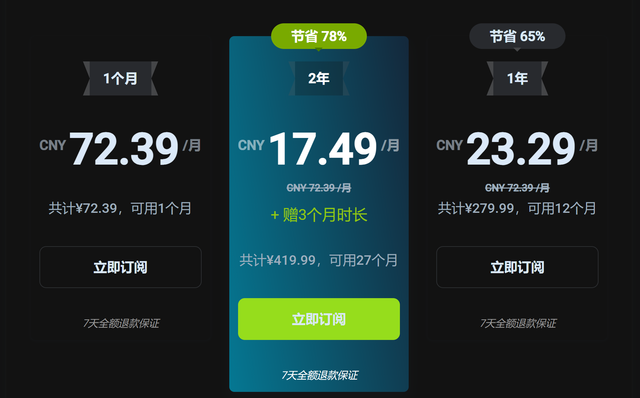
- Upfront costs vs long-term value
- Platinum: Higher upfront cost but best long-term value for heavy users
- Standard: Balanced price with strong feature set
- Premium: Lower cost, good entry point with essential protections
- Discounts and bundles
- Look for annual plans or student discounts where available
- Some providers offer multi-year savings; check terms carefully
- Free trial or money-back guarantee
- Many VPNs offer 7–30 day money-back guarantees; confirm before subscribing
- Payment methods and refund policies
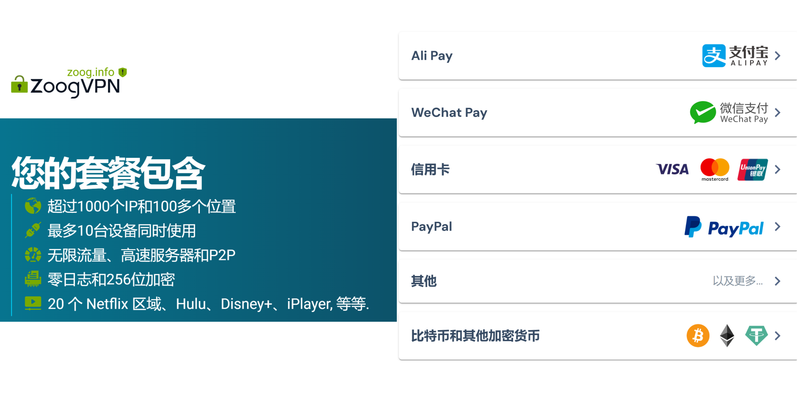
- Credit cards, PayPal, cryptos in some cases; check for refund windows
Installation and setup tips
- Platform availability
- Platinum, Standard, and Premium typically support Windows, macOS, iOS, Android, Linux, and browser extensions
- App usability
- Platinum often includes more advanced dashboards; Standard and Premium favour simpler interfaces
- Initial configuration
- Choose the recommended default protocol (often WireGuard)
- Enable kill switch and DNS leak protection
- Test connection to a server near you for best performance
- Router usage
- For multiple devices, consider installing on a router if your plan supports it
- Privacy check
- After setup, run a quick IP and DNS test to confirm you’re routed through the VPN
Advanced features to look for
- Multi-hop connections
- Adds an extra layer by routing through two servers
- Obfuscation
- Helps in restrictive networks to hide VPN use
- Split tunneling
- Lets you choose which apps go through the VPN
- Dedicated IP
- Optional extra that some plans offer for stable access to certain services
- Threat protection
- Built-in malware and ad-blocking features on some plans
How to decide: a quick checklist
- Do you need top-tier privacy and multi-hop? Choose Platinum.
- Is your priority price-to-performance ratio? Standard is the sweet spot.
- Do you want a straightforward, wallet-friendly option for light use? Premium could be enough.
- How many devices will be connected at once? If many, Platinum is more likely to fit.
- Do you frequently access restricted networks or need obfuscation? Platinum or Standard with obfuscated servers.
Common concerns and how to address them
- Will a VPN slow down my connection?
- Yes to some extent, but the impact varies; choose a nearby server and protocol to minimise it.
- Can VPNs be illegal in my country?
- Laws vary; always check local regulations and the terms of service of the VPN.
- Will streaming services detect VPNs?
- Some providers block VPNs; Platinum’s larger server pool helps mitigate this risk.
- Are VPNs safe for banking?
- Yes, when used with strong encryption and a reputable provider; avoid using public networks for sensitive transactions.
- Can I cancel anytime?
- Most providers offer a refund window; read the terms before subscribing.
Practical tips to maximise value
- Take advantage of trial periods or money-back guarantees to test performance.
- Start with a lower tier and upgrade later if you need more features.
- Regularly review server lists and switch when you notice slowdowns.
- Use separate profiles for streaming, gaming, and work for better control over routing.
Quick-start plan for first-time Letsvpn users
- Step 1: Decide your plan based on how many devices you’ll connect and what you’ll use it for.
- Step 2: Install the Letsvpn app on your main device and enable kill switch and DNS protection.
- Step 3: Connect to a nearby server and run a speed test.
- Step 4: Test access to your streaming services and check for IP or DNS leaks.
- Step 5: Consider enabling split tunneling for non-critical apps to save bandwidth.
Real-user tips and experiences
- “Platinum gave my home office the reliability I needed when everyone was working remotely. The multi-hop option is a real confidence boost.” – User comment
- “Standard hits the sweet spot for price and performance. I stream and game without noticeable slowdowns.” – User comment
- “Premium is simple and cheap. If you’re new to VPNs, starting here makes sense.” – User comment
Useful resources and references for deeper learning
- Letsvpn official site - letsvpn.com
- VPN comparison guides - vpnmentor.com
- Privacy and data retention guidance - privacyinternational.org
- General online safety tips - consumer.ftc.gov
- Network performance basics - speedtest.net
- Cybersecurity news and updates - krebsonsecurity.org
- Streaming legality and VPNs - bbc.co.uk
- Firewall and router settings - howtogeek.com
- Secure password practices - nist.gov
Frequently Asked Questions
Is Letsvpn Platinum better than Standard?
Platinum usually offers more features, better performance options like multi-hop and obfuscated servers, and priority support, making it better for power users. Standard provides a strong balance of price and protection for most people.
Which Letsvpn plan is best for beginners?
Premium is typically the simplest and most affordable for new users, offering core protections without too many extras. If you want more features later, you can upgrade.
Can I use Letsvpn on multiple devices with one plan?
Yes, all Letsvpn plans support multiple devices, but the number of simultaneous connections varies by plan. Platinum typically offers the highest limit.
Do Letsvpn plans affect streaming speeds?
Yes, speed can be affected by server distance and load. Platinum often provides faster connections due to more optimised routing and a larger server network.
Is there a free trial for Letsvpn?
Some VPN providers offer money-back guarantees or trial periods. Check Letsvpn’s current policy for any trial or refund window. Mastering nordvpn wireguard config files on windows your ultimate guide: Optimised VPN Setup, Privacy, and Speed Tips
How many servers does Letsvpn have per plan?
Server count increases with plan level. Platinum usually has the most servers and locations, with Standard and Premium following.
What protocols does Letsvpn support?
Most plans support WireGuard, OpenVPN, and IKEv2. Platinum may include more options and advanced configurations.
Can Letsvpn unblock streaming services?
Many users can access streaming services with Letsvpn, but some services actively block VPNs. Platinum’s broader server list can help mitigate this.
Is Letsvpn really private?
Letsvpn advertises no-logs policies and strong encryption. Always verify current privacy policy and jurisdiction to understand data handling.
How do I upgrade or downgrade my Letsvpn plan?
You can usually upgrade or downgrade from your account dashboard. Check billing terms for any proration or refund implications. What Is My Private IP Address When Using NordVPN and How It Impacts Privacy, Speed, and Streaming
What payment methods are accepted?
Most plans accept major credit cards, PayPal, and sometimes additional methods. Review the payment options at checkout.
Can I set up Letsvpn on my router?
Yes, depending on your plan, you can configure Letsvpn on a compatible router to protect all connected devices.
What should I do if I experience slow servers?
Switch to a nearby server, try a different protocol (e.g., WireGuard), or check for peak usage times. Clearing app caches and restarting devices can help too.
How can I test for DNS leaks?
Use a web-based DNS leak test after connecting to Letsvpn. If leaks are detected, enable DNS protection in the app and re-test.
Do Letsvpn plans share data with third parties?
Always review the no-logs policy and privacy terms. If privacy is critical, Platinum offers more advanced privacy features that may help. The Truth About VPNs Selling Your Data in 2026 What Reddit Knows and What It Means for You
Sources:
台哥大 eSIM 漫遊:2026 年出國上網方案與設定全攻略
X vpn:全面指南与实用技巧,提升上网安全与自由
零信任vpn:全面指南、最佳实践与实战要点
How to setup nordvpn on your asus router a step by step guide for total network protection
暨南vpn 全方位使用指南:功能、设置、隐私保护、速度测试与实战场景 Cant download nordvpn on windows 11 heres how to fix it: Quick, Practical Guide to Get NordVPN Running on Windows 11