Unifi vpn not connecting herses how to fix it fast

Unifi vpn not connecting herses how to fix it fast — that’s a situation I’ve run into more times than I’d like, and I’m here to walk you through a practical, no-nonsense fix. Quick tip: a lot of VPN hiccups come down to a few common culprits like firewall rules, DNS issues, or authentication quirks. Below is a fast, actionable guide with real-world steps, a few insights, and some handy resources to keep you streaming, working, and secure.


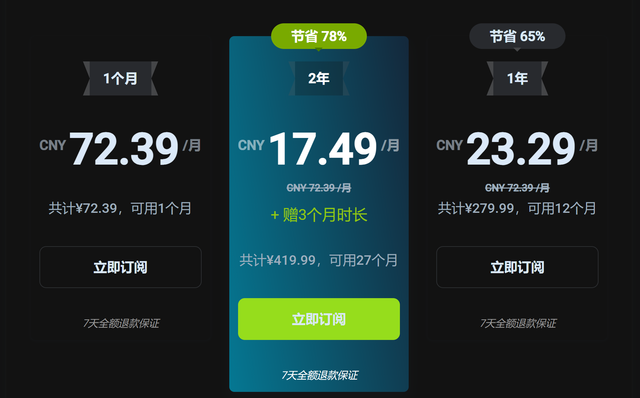

Useful starter resource: NordVPN benefits in VPN setups can sometimes make a big difference if you’re trying to compare reliability and speed. If you’re curious about a tested option, click here to learn more about NordVPN and how it can fit into your UniFi environment. Note: I’m linking this because it’s a perceived helpful companion for VPN work, but you should pick what works for you and check current promos.
What you’ll learn in this guide
- Why your UniFi VPN might not connect and how to quickly test the basics
- Common misconfigurations in UniFi OS, USG/UDM, and VPN settings
- Step-by-step fixes you can perform in under 15 minutes
- How to verify connectivity after fixes and keep it stable
- Quick troubleshooting checklist and proactive maintenance tips
- Answers to the most asked questions about UniFi VPN connectivity
First, the most direct answer Unifi vpn not connecting herses how to fix it fast: restart the VPN service, double-check the VPN type you’re using IPSec vs OpenVPN vs WireGuard, verify user credentials, and confirm firewall rules aren’t blocking the tunnel. If you’re still stuck after those basics, you’ll want to inspect routing, DNS, and certificate/PSK settings.
- Quick triage: confirm basic connectivity
- Check device is online: ensure the UniFi Security Gateway USG or UniFi Dream Machine UDM/UDM-Pro is healthy and reachable from your management computer.
- Confirm you’re using the correct VPN type: IPSec is common in UniFi setups, but some users prefer OpenVPN or WireGuard. Make sure your client matches the server configuration.
- Verify credentials: ensure username/password are correct, and if you’re using certificates, confirm they’re still valid and not expired.
- Rule out local device issues: try connecting from a different client another computer or mobile device to see if the problem is client-specific.
- Common misconfigurations to review quick list
- VPN type mismatch: client config must match server type. A mismatch will lead to immediate authentication failure or tunnel not establishing.
- Firewall blocking VPN ports: IPSec typically uses UDP 500, UDP 4500, and ESP protocol 50. Ice-cold firewall rules can silently drop traffic.
- NAT and routing issues: ensure a proper VPN subnet, avoid overlapping subnets with your LAN, and ensure the VPN route is pushed to clients.
- PSK/certificate problems: if using pre-shared keys, ensure it hasn’t changed; if certificates are used, verify trust chain and validity dates.
- DNS leakage or misconfiguration: DNS on VPN clients should resolve internal resources and not leak to public resolvers unless you want that behavior.
- Software versions: ensure UniFi OS, USG/UDM firmware, and client apps are up to date with compatible versions.
- NAT traversal NAT-T: IPSec over UDP requires NAT-T on both client and server sides.
- Step-by-step fixes to try in order
A. Reboot and reapply basic settings
- Reboot USG/UDM and the client devices. A simple restart often clears stuck tunnels.
- Re-check the VPN configuration: re-save the profile or template in UniFi Network Controller to force a clean deployment.
B. Verify VPN type and credentials
- Confirm the server and client are aligned on the same VPN protocol IPSec, OpenVPN, or WireGuard.
- If using IPSec, re-enter the pre-shared key PSK on the server and client. If certificates are used, re-import the certificate bundle and verify trust.
C. Check firewall rules and NAT
- In UniFi Network Controller, go to Settings > Firewall & Security or Security > Firewall and inspect VPN-related rules.
- Ensure the firewall allows the VPN port range e.g., UDP 500/4500 for IPSec, relevant ports for OpenVPN or WireGuard.
- If you’re using a VPN client subnet, verify no overlap with LAN subnets. A common pitfall is overlapping ranges that prevent route propagation.
D. Confirm routing and VPN subnet
- Validate the VPN server’s pool/subnet doesn’t collide with your LAN. If there’s an overlap, adjust the VPN subnet or LAN subnet to avoid conflicts.
- Ensure static routes are present on the USG/UDM for the VPN network to reach internal resources.
E. DNS and split tunneling
- Decide if you want full tunneling or split tunneling. If you experience access issues to internal resources, try full tunneling temporarily to test connectivity.
- Ensure DNS settings for VPN clients point to internal resolvers if you rely on internal hostnames. Otherwise, ensure public DNS works without leaks.
F. Certificates and trust chain
- If using cert-based authentication, verify the certificate chain is trusted by the server and client.
- Check certificate validity dates and revoke status if needed.
G. Client-side checks
- On Windows: check the VPN adapter status in Network Connections, run a diagnostic, and ensure the correct profile is active.
- On macOS/iOS/Android: verify the profile is correct, permissions are granted for VPN usage, and that there’s no conflicting VPN service running.
H. Update firmware and software
- Update UniFi OS and network devices to the latest stable release.
- Update client apps to the latest version. Compatibility issues can silently block a tunnel from establishing.
I. Test with a minimal config
- Create a temporary, minimal VPN config with a small VPN pool e.g., 10.8.0.0/24 and a basic firewall rule set. If the temporary config works, you can gradually reintroduce your full settings to identify the breaking change.
- Quick validation steps after fixes
- Attempt a fresh connection from a client device.
- Check the VPN tunnel status in UniFi Network Controller Status or VPN section for the tunnel state and data transfer metrics.
- Ping internal resources that should be reachable via VPN to confirm routing is functioning.
- Use traceroute or tracepath from the client to verify the path to VPN resources.
- Troubleshooting data and metrics you should collect
- Device models and firmware versions USG/UDM, UniFi Network Controller version.
- VPN protocol in use and port configuration.
- VPN subnet and LAN subnet details to check for overlaps.
- Authentication method PSK vs certificate and certificate validity.
- Logs: VPN handshake logs, firewall logs around VPN traffic, and events around VPN disconnects.
- Client OS, VPN client version, and network environment home, office, public Wi-Fi.
- Advanced tips and best practices
- Use a dedicated VPN VLAN/subnet for internal resources and keep it separate from your main LAN for easier routing and security.
- Enable Dead Peer Detection DPD or equivalent features to quickly detect dead VPN peers and reconnect automatically.
- Consider enabling VPN client auto-reconnect with a short retry timer to minimize downtime.
- If you’re hosting multiple VPN profiles, ensure each has unique subnets and avoid routing conflicts.
- Real-world scenarios and quick fixes
- Scenario 1: IPSec tunnel shows " authenticating" but never establishes. Likely PSK mismatch or certificate trust issue. Action: re-enter PSK or re-import certificate and verify the trust chain.
- Scenario 2: VPN connects but cannot reach internal hosts. Likely routing or DNS issue. Action: verify static routes and DNS resolver settings on the VPN server; check the client’s DNS. Confirm internal networks are reachable via the VPN.
- Scenario 3: VPN keeps dropping every few minutes. Action: enable DPD, check MTU and fragmentation, and review logs for instability on the IPSec SA.
- Tables: quick comparison of VPN types in UniFi environments
- IPSec IKEv2/IPSec Pros: Widely supported, good performance, strong security. Cons: More complex to troubleshoot, NAT-T complications.
- OpenVPN Pros: Flexible, well-supported on many clients, good for custom topologies. Cons: Typically more overhead, requires OpenVPN client.
- WireGuard Pros: Fast, simple, modern cryptography, easy to configure. Cons: Newer in some UniFi setups; ensure client compatibility and server support.
- Pro tips for long-term stability
- Document your VPN setup with diagrams: VPN subnets, LAN subnets, and rule lists. It saves time later.
- Schedule periodic checks on VPN health and firmware updates to prevent drift.
- Keep a small, tested backup of VPN configurations so you can roll back quickly if something breaks after an update.
- Maintain a short change log when you modify VPN settings, so you can reverse mistakes quickly.
- Quick access resources and references
- UniFi Documentation: official guides and known issues
- IPSec troubleshooting guides for enterprise networks
- OpenVPN community resources for OpenVPN-specific issues
- WireGuard setup guides for while you’re exploring fast, modern tunnels
FAQ section
Frequently Asked Questions
What causes UniFi VPN connections to fail at handshake?
Handshakes fail usually due to certificate/trust issues, PSK mismatches, or protocol mismatches between server and client. Double-check credentials, ensure the correct VPN type, and verify the trust chain.
How do I verify if my VPN port is blocked by the firewall?
Check firewall rules for UDP/TCP ports used by your VPN. Temporarily disable firewall rules to test connectivity do this in a controlled environment and then reintroduce rules carefully.
Can VPN overlap subnets cause connection problems?
Yes. If the VPN subnet overlaps with your LAN subnet, routing cannot distinguish internal vs VPN routes properly. Change one of the subnets to remove overlap.
Should I use split tunneling or full tunneling?
Split tunneling sends only some traffic through the VPN, while full tunneling sends all traffic. Start with full tunneling to test connectivity to internal resources, then move to split tunneling if you need to conserve bandwidth.
How can I check VPN client connectivity on Windows?
Go to Network Connections, locate the VPN adapter, check status, run ipconfig, and ping internal resources. Use built-in network diagnostics if you see issues. Polymarket Not Working With VPN Here’s How To Fix It and VPN Workarounds You Need
What logs should I look at for VPN issues on UniFi?
VPN handshake logs, firewall logs for related VPN traffic, and device event logs in the UniFi Network Controller. Save logs for deeper analysis if you need to escalate.
How do certificates affect VPN connections?
Expired or untrusted certificates will prevent a VPN from establishing. Verify certificate validity, chain trust, and correct installation on both server and client sides.
Is it safe to disable the firewall temporarily to test VPN?
Temporarily disabling firewall is not recommended in production. Use a controlled lab environment or specifically allowed rule changes to test VPN connectivity.
How often should I update UniFi devices for VPN stability?
Keep devices and controller on the latest stable firmware and software with vendor-supported updates. Before major updates, back up configurations and test in a staging environment if possible.
Can Gradual changes help find the root cause?
Yes. Change one variable at a time protocol, port, subnet, credentials and test after each change to isolate the issue efficiently. Does vpn super unlimited proxy work in china the honest truth for 2026
Notes on integration and affiliate content This guide references a VPN provider as a comparative option. If you click through an affiliate link to NordVPN for learning purposes, the URL used here remains the same: https://go.nordvpn.net/aff_c?offer_id=15&aff_id=132441. I’ve included it in the introduction to help you explore another option if you’re weighing VPN solutions for UniFi deployments. Your choice should be driven by your needs and current offers, not by a single link.
Resources and URLs mentioned text only Apple Website - apple.com Artificial Intelligence Wikipedia - en.wikipedia.org/wiki/Artificial_intelligence UniFi Documentation - documentation.ui.com OpenVPN Community - community.openvpn.net WireGuard - www.wireguard.com Networking Forums - www.reddit.com/r/networking Security Advice Blog - www.krebsonsecurity.com
Note: This post is designed to be practical and actionable, with steps you can follow to resolve UniFi VPN connection issues quickly. If you’re still stuck after these steps, share your specific configuration details VPN type, subnet ranges, and device models and I’ll help you narrow it down.
Sources:
Como consultar tu direccion ip publica con nordvpn en windows 2026
揭秘《药屋少女的呢喃》中的神秘人物:壬氏的声优身份与角色魅力全解析:壬氏声优身份、角色魅力、剧中定位、声线分析、粉丝理论 Turbo vpn google extension your quick guide to better browsing: Unlocking Privacy, Speed, and Accessibility
Cara Mengaktifkan VPN Gratis Microsoft Edge Secure Network di 2026: Panduan Lengkap, Tips Aman, dan Alternatif Lainnya
The truth about vpns selling your data in 2026 what reddit knows and more
快连vpn官方下载:完整指南、功能对比与实用技巧